




MCS-certified
air source
heat pump
installers in
Kent
Free heat loss survey*
*We include a free desktop heat loss calculation as standard. If a more detailed room-by-room survey is required, this can be carried out in person for £199. Should you go ahead with your installation through us, we’ll deduct the full survey fee from your final bill, meaning there’s no additional cost for the survey.
Installations
Your installation is backed by the accreditations that matter for air source heat pumps, including MCS, TrustMark and NAPIT.
Grants
We help eligible homeowners access the Boiler Upgrade Scheme grant of £7,500, with increased support of up to £9,000 available for qualifying off-gas-grid homes.
Properties of all ages
We handle older properties, complex pipework, radiator upgrades and careful making good, so your installation is planned around the realities of your home from the start.
WE'RE OCTOPUS TRUSTED PARTNERS
Recognised by
Octopus
trusted by homeowners
across Kent &
the South East
Cosy accredited installer 2026 badg
Kent's only Octopus Cosy installer

SGS Energy is Kent's only accredited installer for the Octopus Cosy heat pump, giving you a specialist local team to guide the survey, installation and servicing.

Octopus Trusted Partner

As an Octopus Trusted Partner, we're recognised for quality renewable installations, clear advice and customer care you can rely on.

Octopus Trusted Partner Award winners

We won Community Champion of the Year at the Octopus Trusted Partner Awards, recognising the work we do in the community to make renewable energy systems easier to understand and access.

SGS ENERGY’S SERVICES
Everything you need for a complete heat pump system

Your heat pump installation, step by step

Four simple steps from initial quote to installation and aftercare.

1. Get a rough estimate

Answer a few quick questions about your property and current heating system. You’ll receive an initial cost estimate, and a member of our team will contact you within 48 hours to answer any questions and explain the next steps.

2. Free heat loss survey*

*A complimentary desktop heat loss assessment is included as standard. If this indicates that a more detailed room-by-room assessment is needed, we can carry this out at your property for £199. Should you then choose to proceed with your installation through us, the full £199 fee will be credited against your final invoice, meaning there’s no additional cost for the in-person survey.

3. Pre-installation visit (if required)

Some properties may need an additional site visit so we can confirm access, measurements, and installation requirements.

4. Installation and handover

Our engineers will install and commission your air source heat pump, then talk you through the system so you know how to get the best from it.
AIR SOURCE HEAT PUMP GRANTS

The Boiler Upgrade Scheme

Make the switch to cleaner, more efficient home heating with help from the Boiler Upgrade Scheme.

BUS Scheme

£7,500 standard air source heat pump grant
£9,000 for some eligable off-gas grid homes
£0 application fee

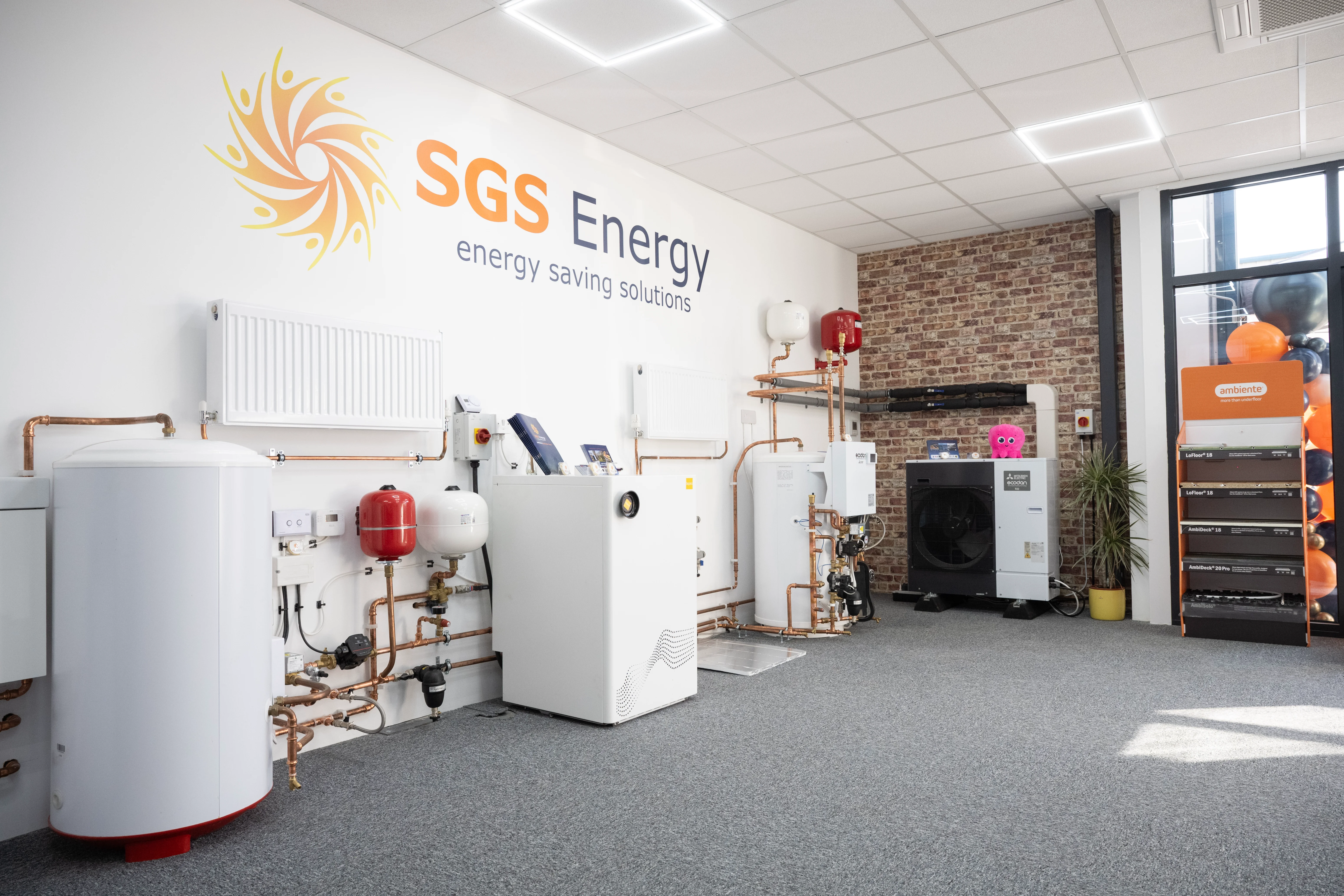
Step inside our Kent renewable energy showroom

Choosing an air source heat pump is easier when you can see the system for yourself.

Visit our Kent showroom to explore the equipment and understand what would suit your property.

We can talk you through outdoor units, hot water cylinders, controls, pipework, running costs, grants and what installation might involve.

Protect your air source heat pump with annual servicing.
Air Source Heat Pump Servicing

Keep your air source heat pump performing its best with annual servicing.

From £20 a month, our engineers carry out an annual check of your air source heat pump.
Cylinder safety checks
Heat pump assessment
System pressure checks
Update annual service record
ASHP installation

Our heat pumps in numbers...

installations completed

600+

Air source heat pump installations across Kent & the South East
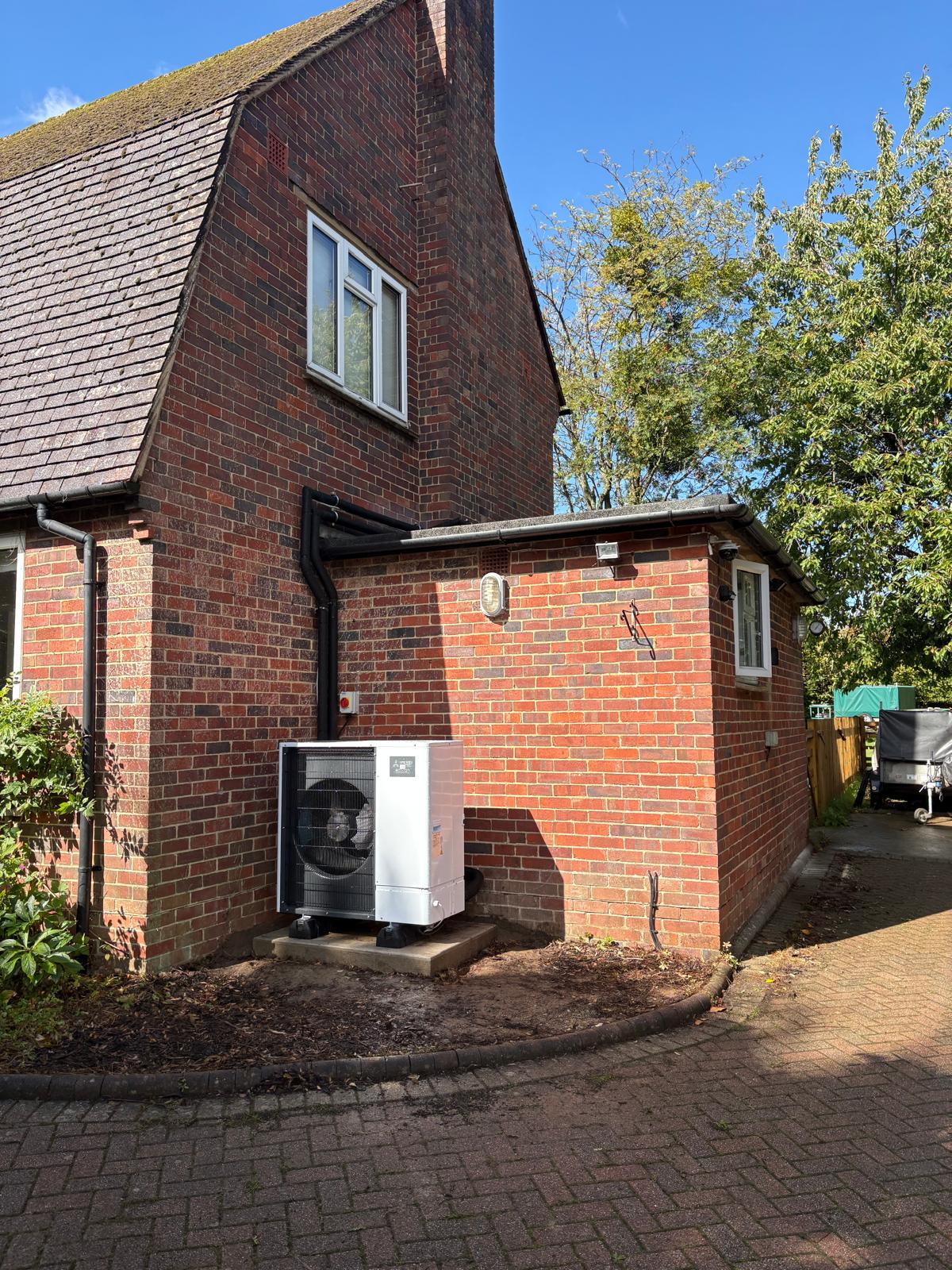
Mitsi air source heat pump
Example customer savings

£2,104

Based on one customer's projected heat loss report
ASHP install
Air source heat pump unit
grant available

Up to £9,000

Boiler Upgrade Scheme funding
Heat pumps for homes
that need more than
a standard install
Older properties
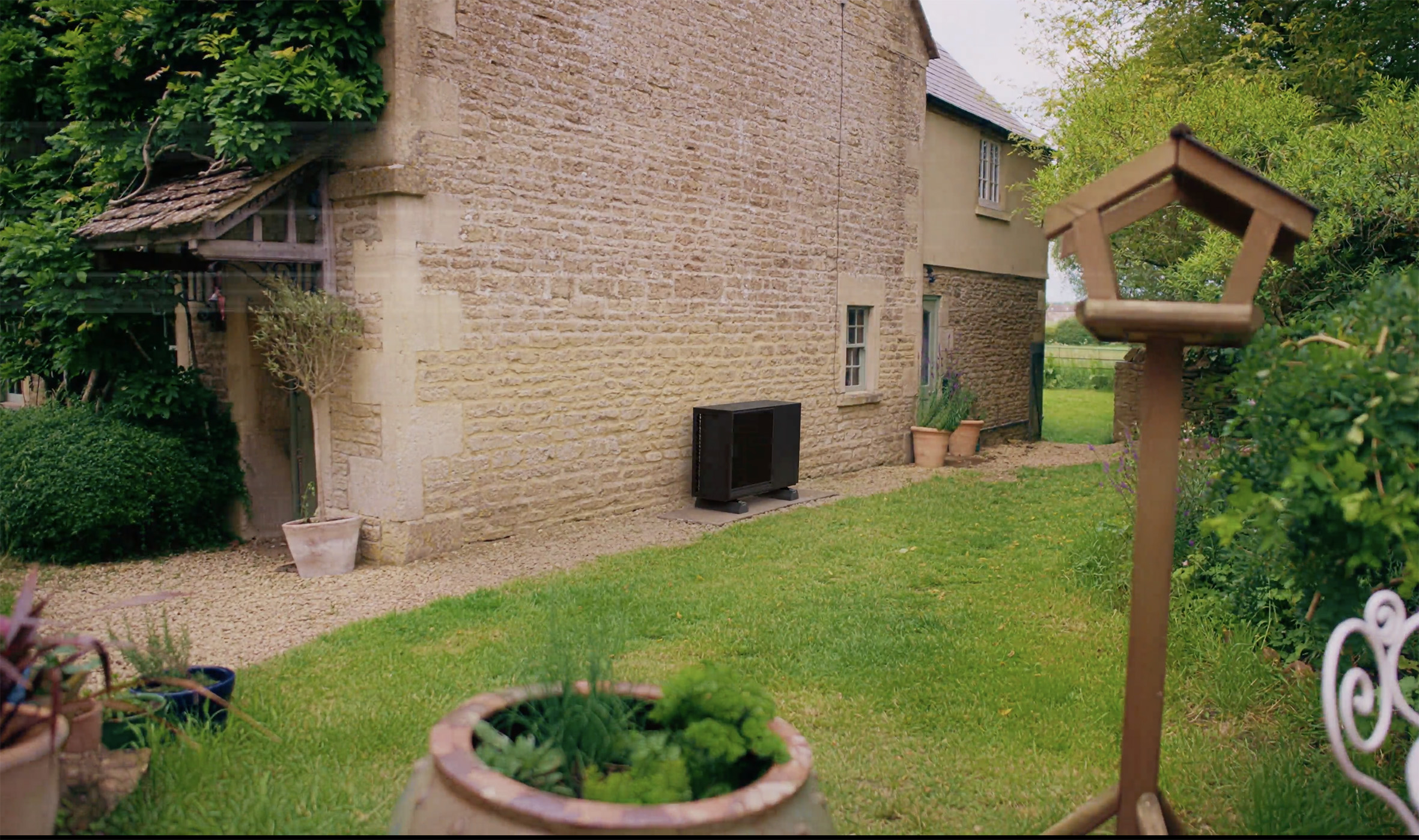
We've installed heat pumps in homes dating back to the 1400s, where age, layout, insulation and existing pipework all need careful consideration. Our team assesses the property properly before recommending a system, so the design respects the building as well as the heating requirements.
Complex pipework
Some installations need pipework rerouting, upgrades or careful integration with the existing heating system. Our in-house heating engineers plan everything in advance, so there are no surprises when installation begins.
Radiator upgrades
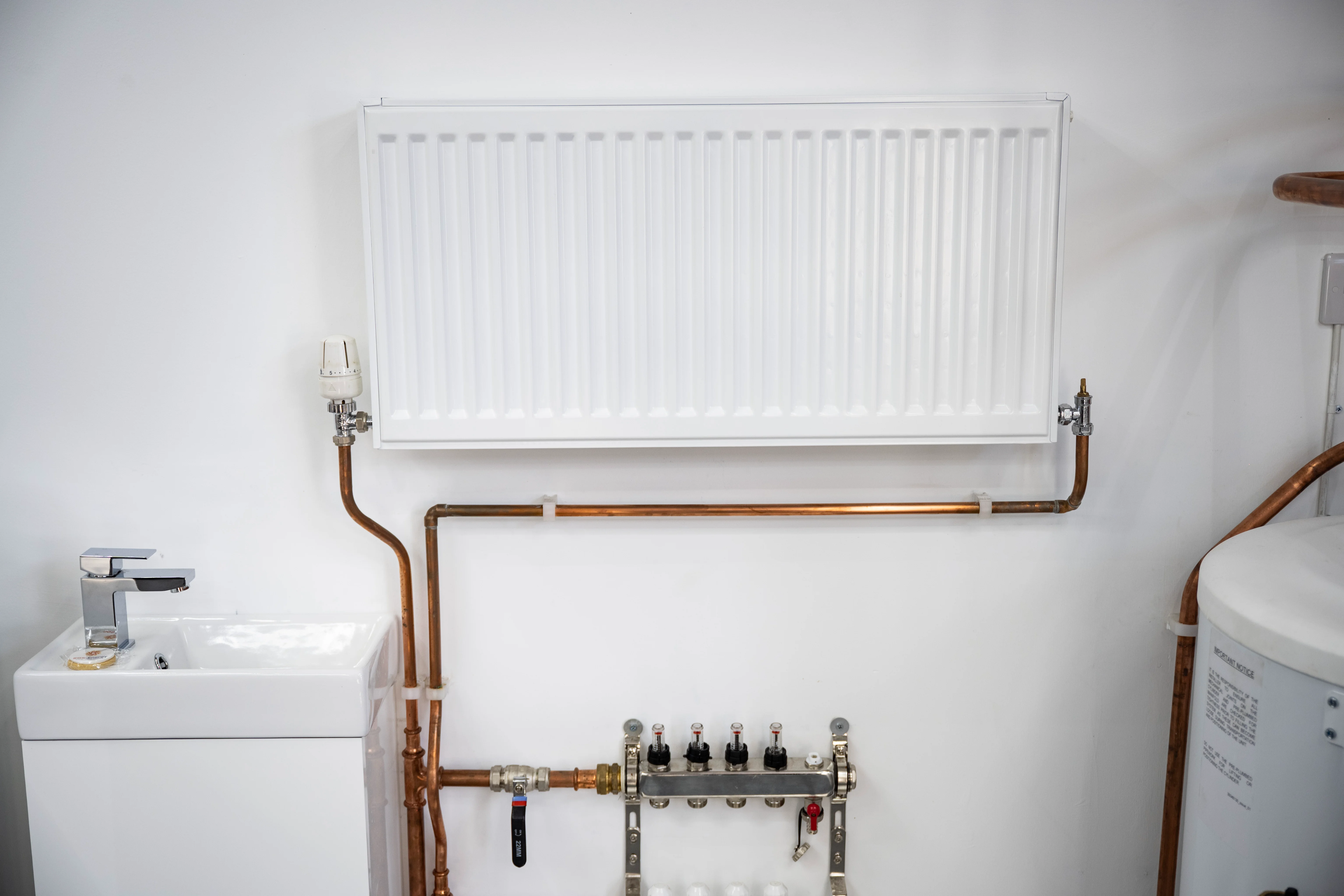
Air source heat pumps work best when the heating system is designed for lower flow temperatures. If your radiators need upgrading, we'll explain what's required and specify the right emitters for each room.
Heritage-sensitive installs
For older or character properties, small details matter. We take a considered approach to placement, pipe routes and equipment choices, so the installation feels appropriate for the home.
ASHP install

Frequently asked questions

How long has SGS Energy been installing heat pumps?

SGS Energy has been installing heat pumps for over 16 years, giving our team extensive experience in designing and installing efficient, reliable heating systems for a wide range of homes.

How much space does an air source heat pump need​ outside?

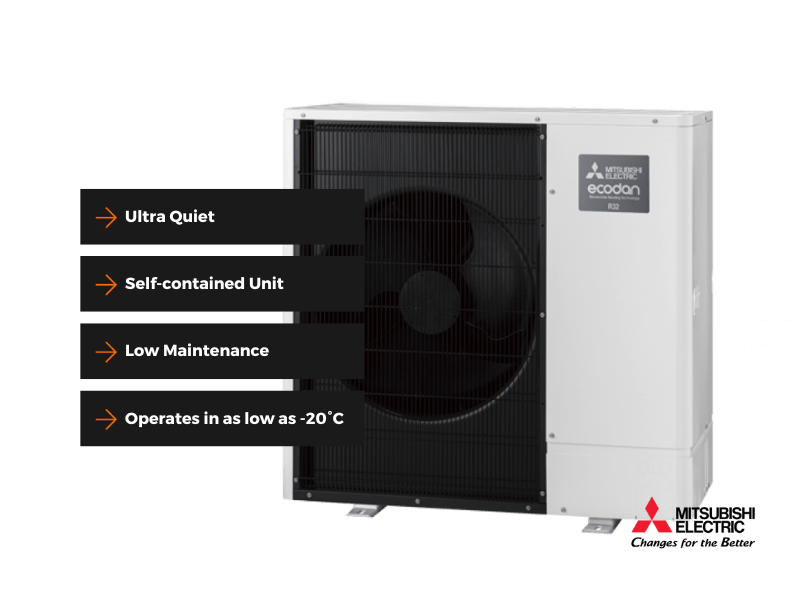
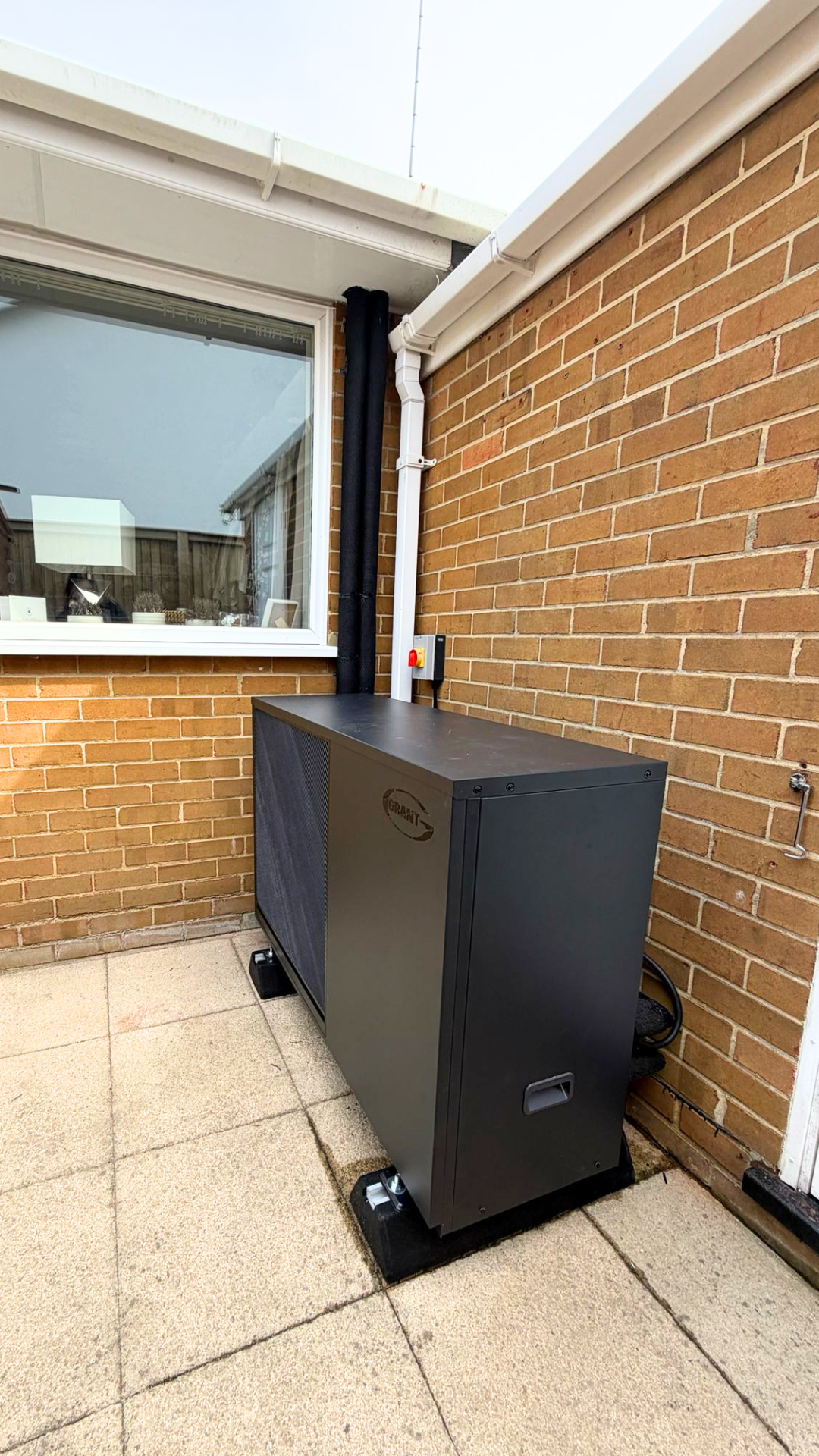
An air source heat pump’s outdoor unit is typically similar in size to a large air-conditioning unit or a small washing machine. Exact dimensions vary by model, but most units are approximately 800–1,500 mm wide, 600–1,500 mm high and 300–600 mm deep.

The unit also needs sufficient clearance around it so that air can circulate freely and an engineer can access it for servicing. It should be installed in an open, well-ventilated position, away from enclosed spaces and anything that could obstruct the airflow, such as fences, plants or bins.

How much space do I need for a hot water cylinder with an air source heat pump?

Most air source heat pump systems require a hot water cylinder. The exact space needed depends on the cylinder’s capacity and design, but a typical unit is around 600–700 mm wide and 1.3–2 metres tall.

As a general guide, cylinders may range from around 150 litres for a smaller household to 300 litres for a larger household. You'll also need some additional space around the cylinder for pipework, controls and future servicing.

A cylinder can often be installed in an airing cupboard, utility room, garage or other suitable indoor space. During your heat loss survey, your installer will assess your hot water needs, take measurements and recommend the most appropriate cylinder and location.

How much bigger do heat pump radiators need to be​?

Air source heat pump radiators are often larger than those used with a traditional boiler because heat pumps typically operate at lower water temperatures.

The exact size required will depend on factors such as your home’s heat loss, insulation and the system’s flow temperature. In many cases, existing radiators may still be suitable, although some may need to be replaced with larger or higher-output models.

A qualified installer will calculate the heating requirements for each room and recommend the right radiator sizes to keep your home comfortable while helping the heat pump run efficiently.

Is my house suitable for a heat pump?

Most homes can be suitable for an air source heat pump, including older properties, but the system needs to be correctly designed for the building.

An air source heat pump works best in a well-insulated home with appropriately sized radiators or underfloor heating. You'll also need a suitable outdoor location for the unit, with enough space around it for airflow and maintenance access.

Before installation, a qualified installer should assess your home’s insulation, heat loss, existing heating system and electrical supply. They can then confirm whether a heat pump is suitable and recommend any improvements that may help it run efficiently.

Are air source heat pumps noisy?

No, air source heat pumps aren't usually noisy when they're correctly sized and installed. Modern air source heat pumps are designed to run quietly, although the outdoor unit will make minimal sound when the fan and compressor are working.

The noise is usually a low hum or fan sound, similar to an air conditioning unit or a fridge. It may be more noticeable in colder weather, when the system has to work harder to heat your home.

How noisy an air source heat pump is depends on the model, where it's installed, and how close it is to windows, doors, or neighbouring properties. A good installer will choose a suitable location for the outdoor unit so it can work efficiently without causing unnecessary noise.

How long do heat pumps last?

A well-installed air source heat pump should usually last at least 15 years, and many systems can keep working for around 20 years with regular maintenance. Extended warranties are often available for around 7 to 8 years, although this varies between manufacturers.

To help your air source heat pump last as long as possible, service it in line with the manufacturer’s guidance, which is usually once a year. It’s also worth keeping the outdoor unit clear of leaves, dirt, snow, and other obstructions so air can flow freely through the system.

How long does it take to install a heat pump​?

Most air source heat pump installations take around 2 to 5 days once your home survey, system design, and quote are complete. A straightforward installation may only take a couple of days, while larger or more complex properties can take longer.

The timeline depends on your home, the size of the heat pump, where the outdoor unit will be fitted, and the condition of your existing heating system. Extra work, such as fitting larger radiators, upgrading pipework, or installing a new hot water cylinder, can add more time.

Do heat pumps save money?

Yes, air source heat pumps can save money, but the amount you save depends on your home, your energy tariff, and the heating system you are replacing.

If you're replacing an older, less efficient boiler, electric storage heaters, oil, or LPG heating, an air source heat pump is more likely to lower your energy bills. At current UK energy prices, though, its running costs are often similar to a new gas boiler.

Air source heat pumps are efficient because they move heat rather than creating it by burning fuel. A well-installed system can produce several units of heat for every unit of electricity it uses, helping to reduce the energy needed to heat your home.

How much does it cost to install a heat pump​?

An air source heat pump usually costs around £11,000 to install before grants. However, eligible homeowners in England and Wales can reduce this upfront cost through the Boiler Upgrade Scheme, which currently offers £7,500 towards an air source heat pump. Based on an average installation cost, this could bring the price down to around £3,500 after the grant is applied. This means a heat pump can cost a similar amount to a traditional gas boiler replacement, which typically costs around £3,700. Please note: Your final price will depend on your system size, installer quote, and any extra work needed, such as larger radiators, pipework changes, or a new hot water cylinder.

What is an air source heat pump​?

An air source heat pump is a low-carbon heating system that takes heat from the outside air and uses it to warm your home and hot water. It runs on electricity and works by absorbing heat from outdoor air, increasing its temperature, and transferring it into your heating system.

Air source heat pumps can work even in cold weather because there's still heat energy in the air. They are often used with radiators, underfloor heating, and hot water cylinders.

Compared with gas, oil, or direct electric heating, an air source heat pump can be a more energy-efficient way to heat a home because it moves heat rather than creating it by burning fuel. This makes it a popular choice for homeowners looking to reduce carbon emissions and switch to cleaner heating.

Ready to plan your renewable energy upgrade?